
Year‑Round Lawn Fertilization in Tampa Bay: What You Need to Know
 Elizabeth Pelletier
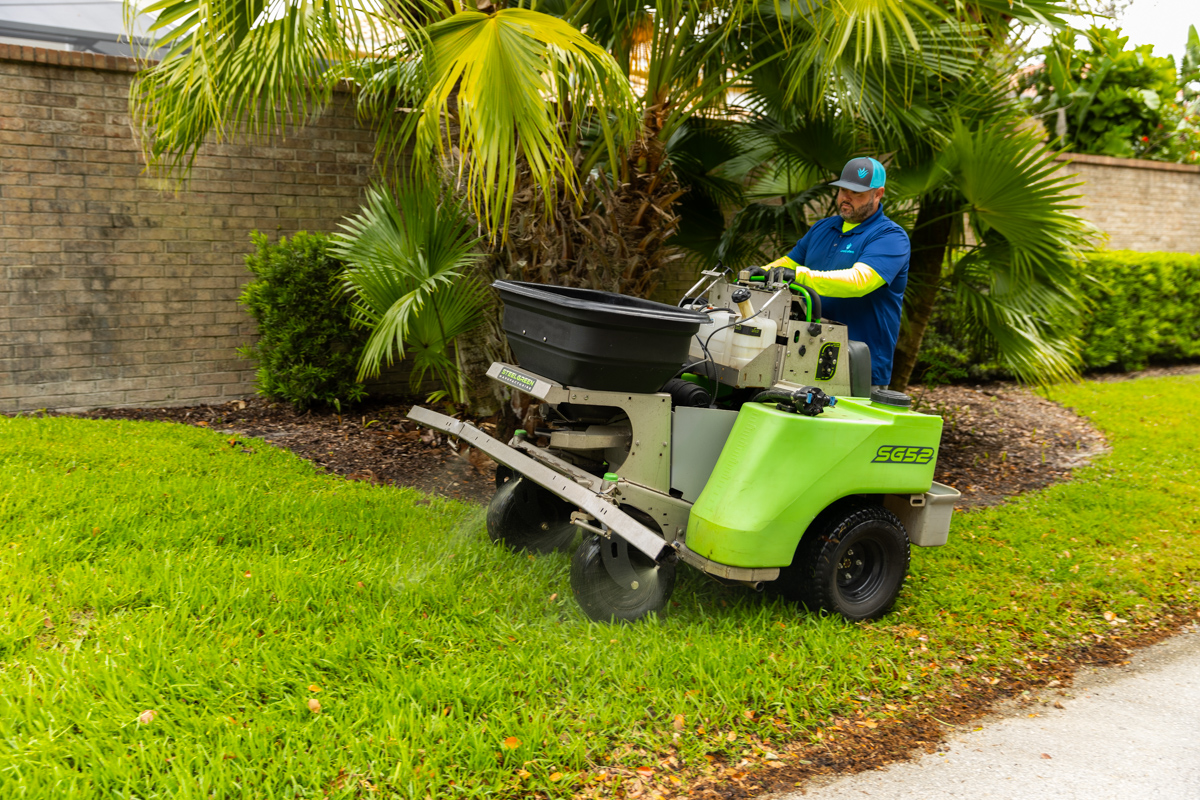
Maintaining a lush, healthy lawn in Tampa Bay isn’t the same as simply spreading fertilizer whenever you feel like it. With warm‑season grasses like St. Augustine and Bahia dominating the region, and seasonal environmental protections in place, knowing when and how to fertilize your landscape throughout the year matters for both lawn health and regulatory compliance.
For HOA property managers and homeowners alike, understanding a thoughtful, balanced fertilization strategy can help your turf stay strong, vibrant, and resilient — while protecting our waterways and avoiding costly mistakes.
How Fertilization Works in Tampa Bay’s Climate
In the Tampa Bay area, grass growth is driven by temperature and rainfall rather than cold winter dormancy. Warm‑season grasses generally grow most actively in spring and early to mid‑summer, which means fertilizer applied during those periods is more likely to be used effectively by the turf.
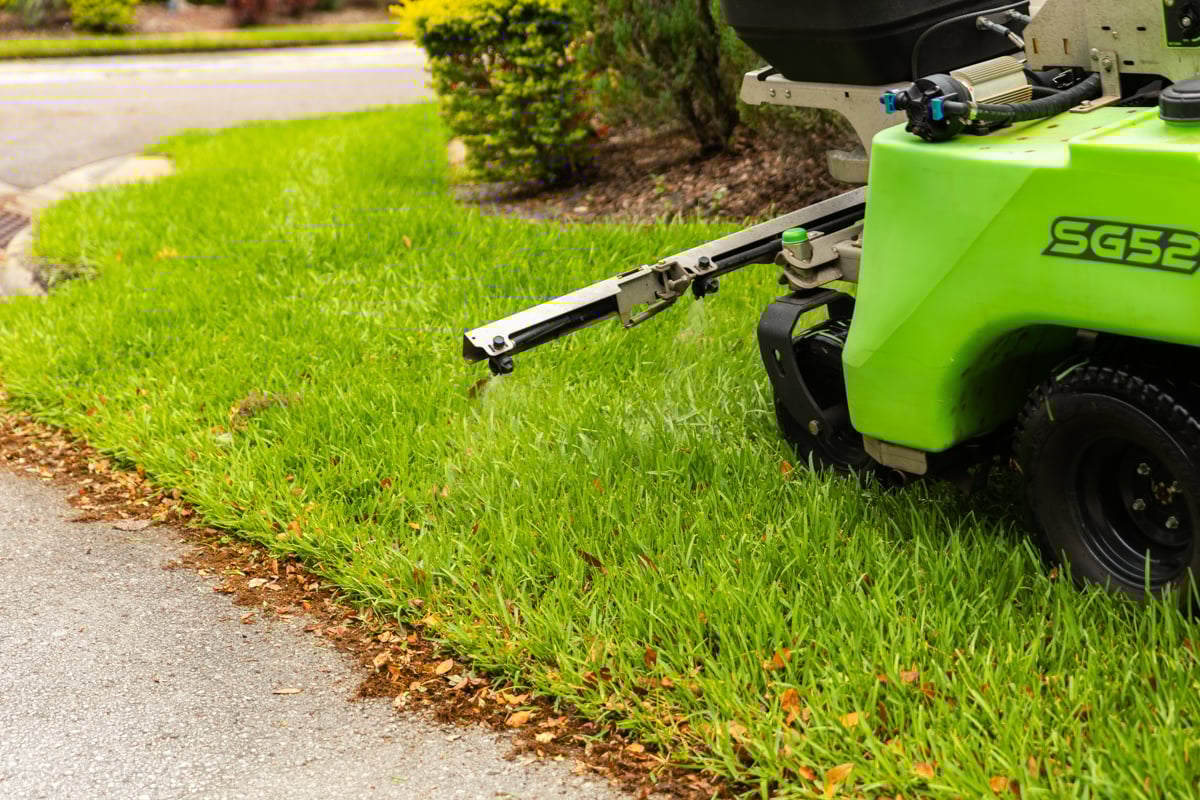
However, most localities in the Tampa Bay region also enforce a summer fertilizer restriction — typically from June 1 through September 30 — that prohibits the application of fertilizers containing nitrogen or phosphorus. These rules help reduce nutrient runoff into Tampa Bay, rivers, and coastal waters during the rainy season when heavy storms would wash excess fertilizer off lawns.
This combination of grass physiology and environmental regulation shapes the fertilization calendar for most landscapes in the area.
Fertilization Timing by Season
January – April: Prep and Early Nutrition
While Tampa Bay doesn’t experience a harsh winter, cooler months can still slow grass growth. During this period, your lawn benefits from consistent fertilization that provides essential nutrients like nitrogen, potassium, and phosphorus (if allowed) to support root strength and prep for the active growing season. A strong early fertilization routine sets up your turf so that when warmer months arrive, the grass is ready to flourish.
May – September: Summer Growth and Regulatory Restrictions
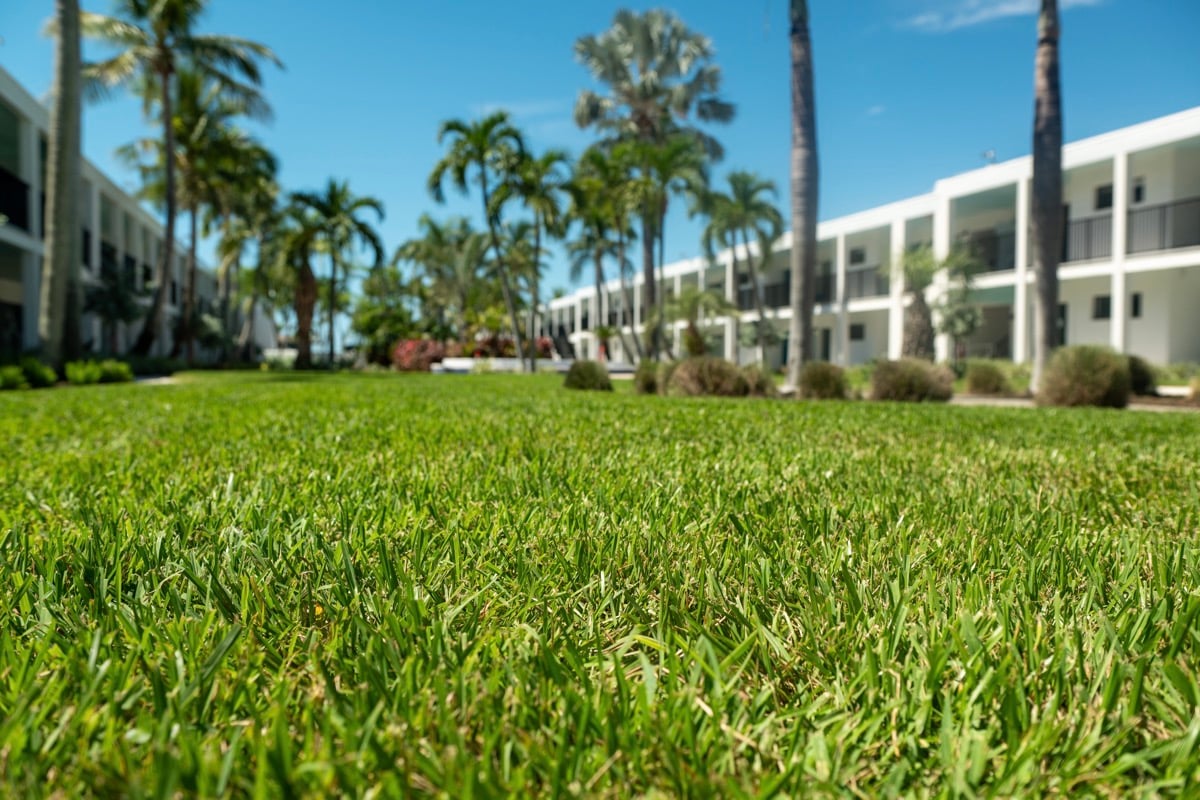
From late spring into summer, Tampa Bay lawns are typically in their most active growth phase. This is when warm‑season grasses like St. Augustine and Bahia really thrive, provided they get proper moisture and nutrients.
But here’s the catch: Most local fertilizer bans are in effect from June 1 to September 30. During this period, applications of nitrogen or phosphorus fertilizer are restricted or prohibited for both homeowners and professionals to protect local water quality.
Because of this:
- You can’t apply traditional fertilizer with nitrogen or phosphorus during most of the summer.
- Lawn care professionals may instead focus on alternative approaches such as soil amendments, micronutrients, or iron treatments that don’t violate local ordinances while still helping turf health.
- Proper mowing height and irrigation management become particularly important during these months to keep turf resilient.
October – December: Post‑Ban Fertilization and Recovery
Once local fertilizer restrictions lift in the fall, you can safely resume regular fertilization — typically from October through December. This period offers a valuable opportunity to correct any nutrient deficiencies that arose over the summer and strengthen the lawn heading into the cooler months.
Conducting a quality audit of your lawn during this time — checking for thin patches, uneven color, or areas that struggled during the rainy season — helps tailor your fertilization approach and maximize its impact.
Best Practices for Successful Fertilization
Here are a few principles to keep in mind year‑round:
- Apply fertilizer only when your grass is actively growing. Feeding non‑active grass leads to waste, runoff, or disease susceptibility.
- Match your fertilizer to your soil needs. A soil test tells you exactly what nutrients you need — and what you don’t.
- Lean on slow‑release formulations where appropriate. These reduce nutrient leaching and promote steady growth over time.
- Follow local regulations. Adhering to fertilizer blackout periods protects Tampa Bay’s waterways and avoids fines.
- Consider professional guidance. A lawn care expert can help tailor your schedule to your specific grass type, soil, and HOA requirements.
When to Ask a Professional for Help
Because soil types, grass species, HOA rules, and municipal restrictions can vary even within Tampa Bay, fertilization is not a one‑size‑fits‑all process. Working with a local lawn care professional ensures:
- Your fertilization schedule aligns with regulatory rules
- Your turf gets the right products at the right times
- Your property receives tailored recommendations based on soil tests and plant health
This is especially valuable for larger landscapes, HOA commons, or property managers balancing budget with performance.
Landcrafters — Tampa Bay’s Lawn Fertilization Partner
For over 25 years, Landcrafters has helped Tampa Bay lawns and landscapes reach their full potential — from residential lawns to large commercial properties. Whether you need a tailored fertilization schedule, soil analysis, or ongoing maintenance, our team combines local expertise with thoughtful planning to keep your landscape healthy year‑round.
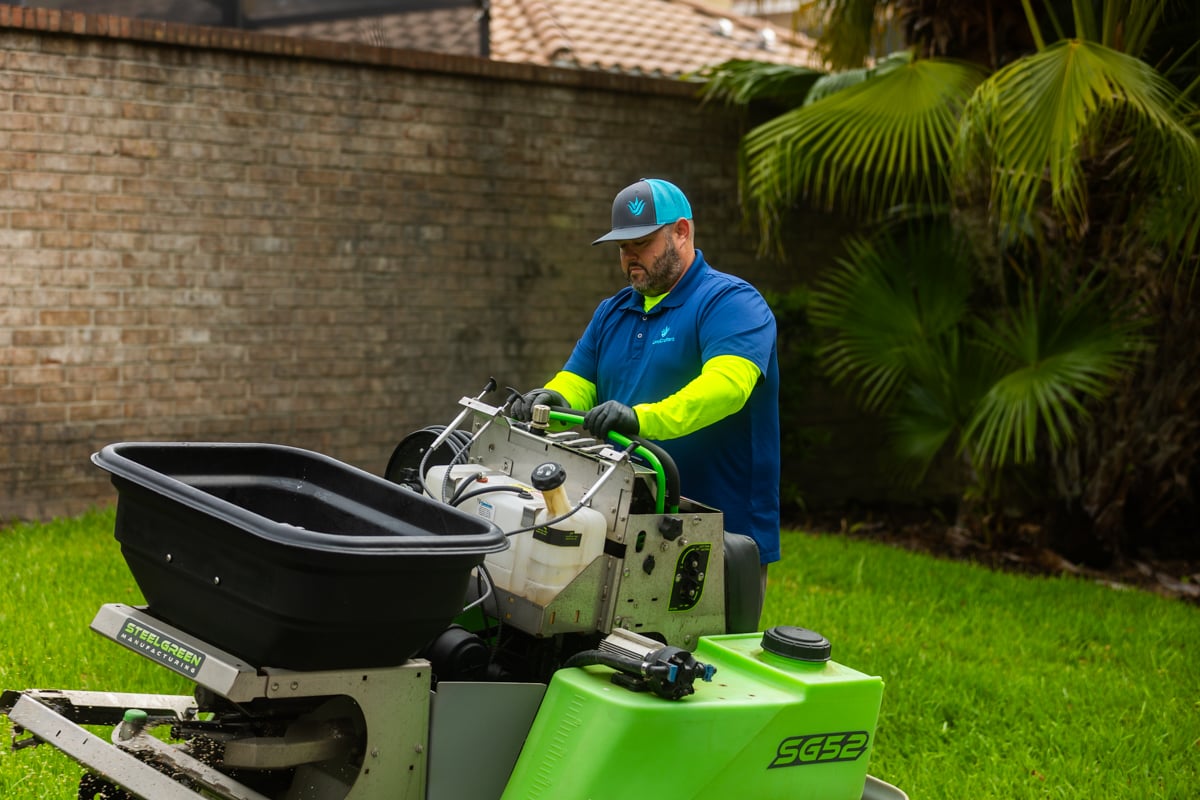
If you’d like expert insight on fertilizing your Tampa Bay lawn or to develop a comprehensive strategy for your property, contact us today.

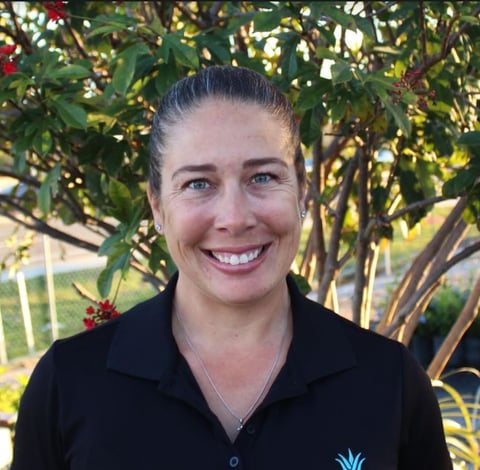
Elizabeth Pelletier
Account Manager, Gardening for Landcrafters, Inc. Elizabeth Pelletier's roots are based in agriculture, having grown up on her family’s farm in rural southeast Alabama. Her nearly 22 years in the green industry began by managing Carol’s Nursery, a small nursery, greenhouse, and landscaping operation. With an undergrad and graduate studies in Horticulture from Auburn University, Elizabeth has published research in The Journal of Environmental Horticulture. Moving to Tampa Bay in 2020, Elizabeth quickly worked her way up to Account Manager at Landcrafters through dedication to production quality, communication, accountability, expertise, and passion for plants. Elizabeth holds GI-BMP and FNGLA’s Certified Horticulture Professional certificates and is nearing completion of becoming a GI-BMP Instructor and receiving her ISA Arborist Certification.