
Essential Sod Care Tips for Florida Lawns: Pre‑ & Post‑Installation Guide
 Michael Tomaino
Installing sod can transform a yard — lush green turf, instant curb appeal, and a healthier lawn ecology. But sod isn’t just “lay it and leave it.” Especially in Florida’s subtropical climate, successful sod requires intentional preparation, attentive care, and smart maintenance.
Whether you’re managing a residential landscape, an HOA property, or a commercial site, this guide explains the top sod care tips you need before, during, and after installation. You’ll learn how to prepare your soil, water correctly, mow wisely, and avoid common mistakes that compromise new turf.
1. Prepare Before Installation — Proper Sod Setup Matters
Sod is a perishable product — once it’s cut, it begins to lose viability. That’s why preparation before installation is one of the most important steps in your sod success story.
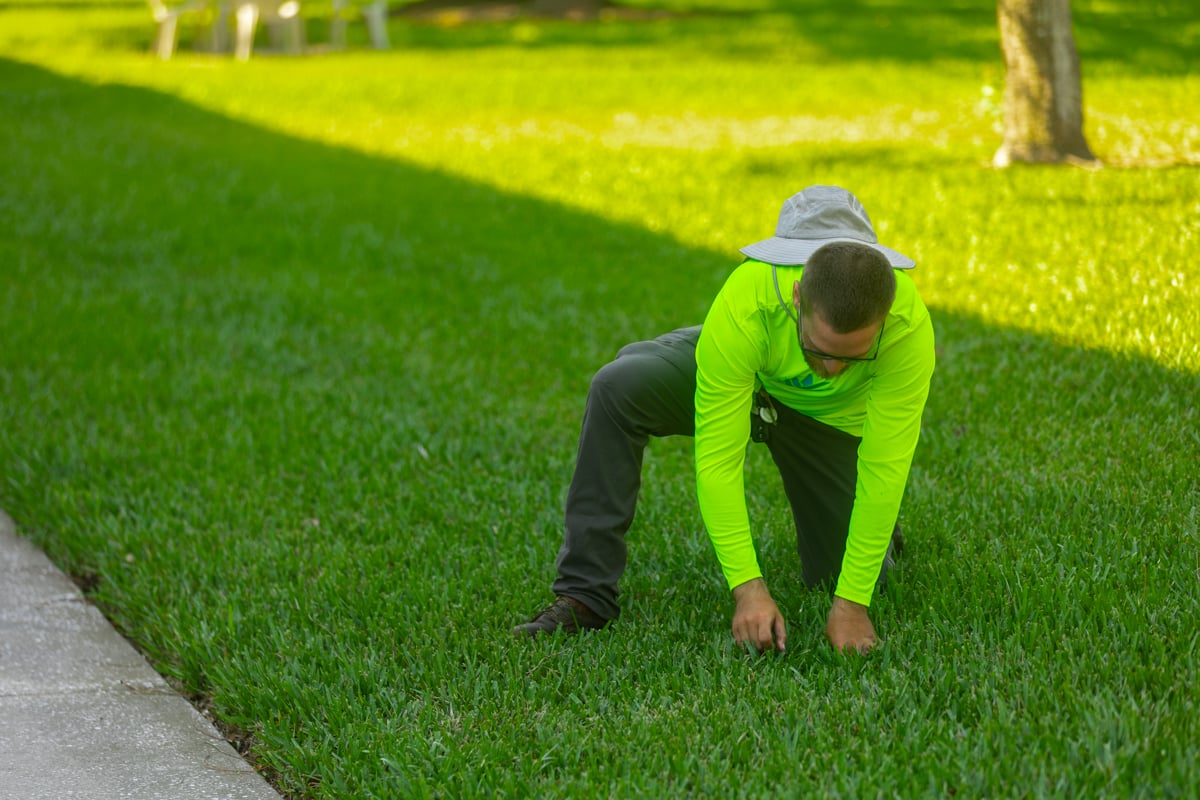
Start by evaluating the sod: lift a piece and check that it’s moist, intact, and has thick, healthy blades. If it tears apart or feels dry, it may not root well once installed.
Before laying sod:
- Measure the area to determine how much sod you need.
- Prepare the soil as if you were seeding: remove weeds, level high and low spots, and loosen the topsoil.
- Water the soil lightly before installation to create a good moisture base.
- Lay sod tightly in a brick‑like pattern, edge to edge, with seams staggered.
- Grade near hard surfaces (walkways, patios) so the finished lawn is level with these features and avoids settling issues.
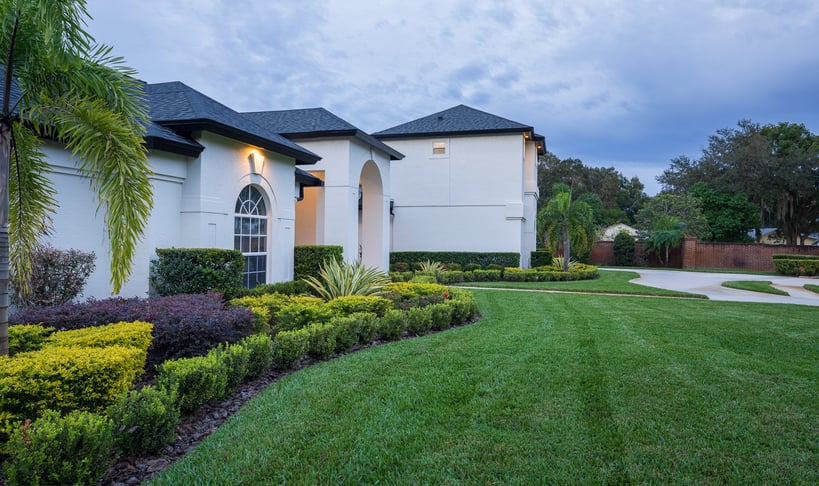
Proper preparation sets your lawn up to root quickly and uniformly — crucial for sod establishment in Florida’s sometimes intense heat and rain patterns.
2. First 1–3 Days After Sod Installation: Water Strategically
The immediate period after installation (the first 24–72 hours) is when sod is most vulnerable. During this time, your goal is to keep soil consistently moist so roots can begin to establish.
For Florida conditions:
- Water new sod frequently — up to ½ to ¾ inch per day in the first few days, adjusting for rain and heat.
- Apply water deeply and evenly so moisture penetrates the soil under the sod, not just the top thatch.
- If sandy soil dries quickly, consider multiple light watering cycles throughout the morning.
A good way to check if you’re applying enough water is by lifting a corner of the sod and pressing a sharp object or finger into the soil. If it’s moist and malleable, you’re on the right track. Hard, dry soil underneath means increase your schedule.
During this early phase, the thin developing root system is the most important factor in long‑term sod success.
3. Watering Your New Sod in the First Weeks
After the first few days, your watering schedule still matters — but you’ll gradually reduce frequency as roots take hold.
For most Florida lawns:
- Continue regular watering for at least 2–3 weeks after installation.
- Adjust frequency based on rainfall, temperature, and soil type.
- In Tampa Bay’s hot, dry spells, you may need daily mornings with early start times to reduce evaporation.
- Overwatering can be just as problematic as underwatering — monitor soil moisture, not just a timer.
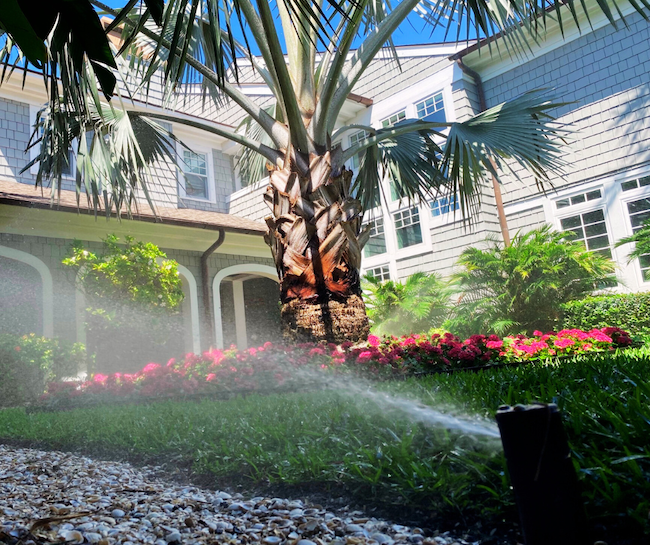
Proper irrigation limits stress, supports deep root growth, and prepares your turf for Florida’s heat, humidity, and unpredictable summer rains.
4. When and How to Mow Your New Sod
Mowing is one of the most satisfying signs that your sod installation is working — but timing and technique matter.
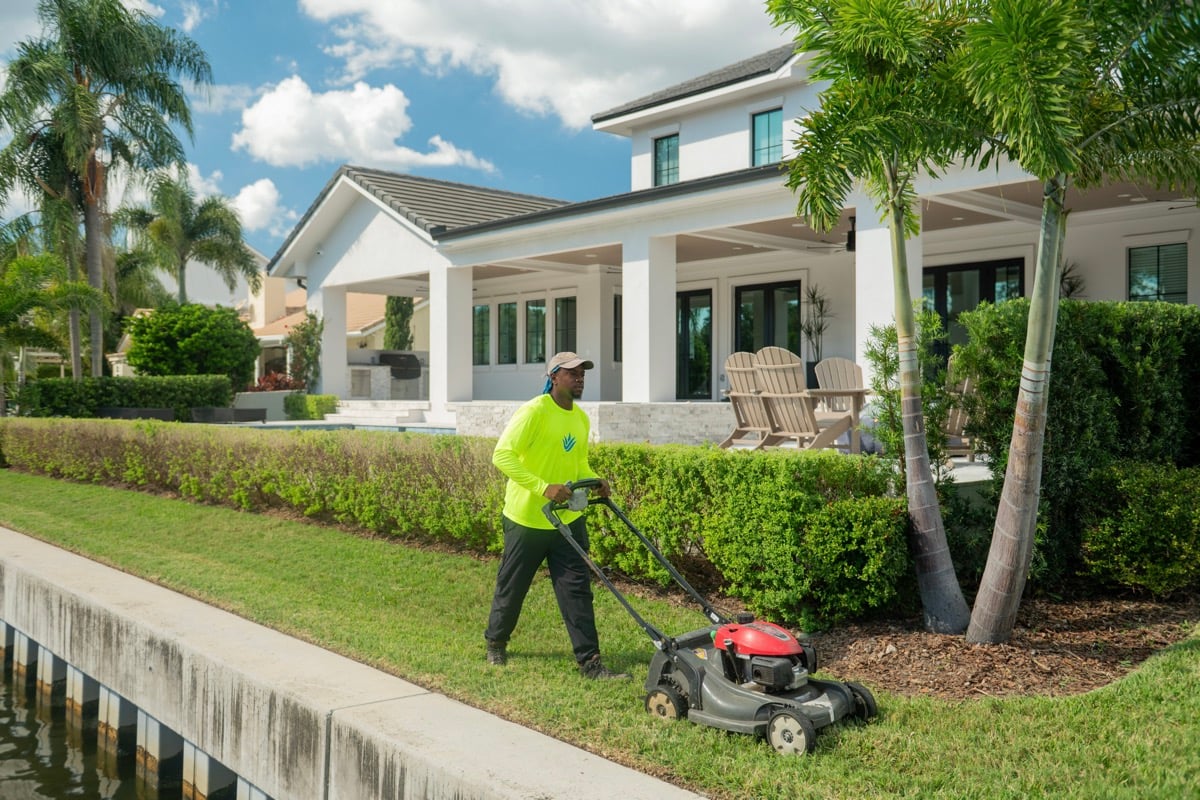
You should mow new sod when:
- It has been down for at least two weeks, or
- Grass height exceeds about 3.5 inches, whichever comes first.
For your first cut:
- Set your mower to leave grass about 2 inches high — remove no more than one‑third of the blade height at once.
- Mow carefully to avoid pulling up newly rooted turf.
- Leave the clippings on the lawn — they naturally break down and return nutrients to the soil.
Different grass types have different ideal mowing heights:
- St. Augustine grass (a common Florida variety) does best at higher cuts (3–4 inches) because its coarse blades benefit from more leaf surface.
- Bermuda grass can be cut shorter due to its finer blade and more aggressive growth.
Cutting below recommended heights weakens grass, stresses roots, and increases susceptibility to disease and weeds.
5. Avoid Common Sod Care Mistakes
Even small errors in sod maintenance can delay rooting or create unhealthy patches. Here are a few traps to avoid:
Applying Fungicide Routinely
While high moisture can increase disease risk, fungicides should not be applied as a blanket treatment. Only consider fungicide if you detect actual disease or after consulting a turf professional — improper use can stress plants unnecessarily.
Ignoring Soil Moisture Checks
Sod success isn’t about frequency alone — it’s about whether the soil under the turf is moist. Frequently test soil conditions rather than relying solely on a schedule.
Neglecting Mower Maintenance
Dull blades tear grass, causing brown tips and stress. Ensure your mower blades stay sharp throughout the growing season.
Underestimating Weather Variability
Florida weather changes rapidly. Adjust your watering and care routine during heat waves, heavy rain, or drought conditions.
6. When Professional Sod Installation and Care Is Worth It
Proper sod care takes attention, experience, and time — especially for larger landscapes, HOA properties, and commercial sites. Professional support ensures:
- Accurate pre‑installation soil preparation
- Efficient installation with tight seams and proper grading
- Expert watering recommendations tailored to Florida climate
- Scheduled maintenance that helps sod thrive long‑term
At Landcrafters, we’ve supported sod installation and maintenance across the Tampa Bay area and Florida Gulf Coast for over two decades. Our teams understand local soils, turf varieties, irrigation strategies, and seasonal challenges.
Takeaway: Sod Success Starts Before Installation and Continues After
Sod can be a beautiful foundation for a lawn, but success comes from knowing what to do at each stage:
- Prepare your soil thoroughly
- Water based on soil moisture, not just a clock
- Mow at the right time and height
- Avoid common mistakes like overuse of fungicide
- Adjust care based on grass type and weather
Need Local Sod Care Help?
If you want expert guidance on sod installation, irrigation scheduling, mowing plans, or ongoing maintenance, Landcrafters is here to help. Contact us for a personalized consultation or a no‑obligation quote, and let our Florida turf experts guide your landscape to lasting health and beauty.


Michael Tomaino
Head Gardener for Landcrafters, Inc. Michael Tomaino, a cornerstone of Landcrafters since its inception, oversees all aspects of business operations with a wealth of experience. With years of adept team management and leadership under his belt, coupled with a robust educational background, both within and beyond the industry, Michael is dedicated to steering Landcrafters towards becoming the foremost landscape management provider in the Tampa Bay Area.